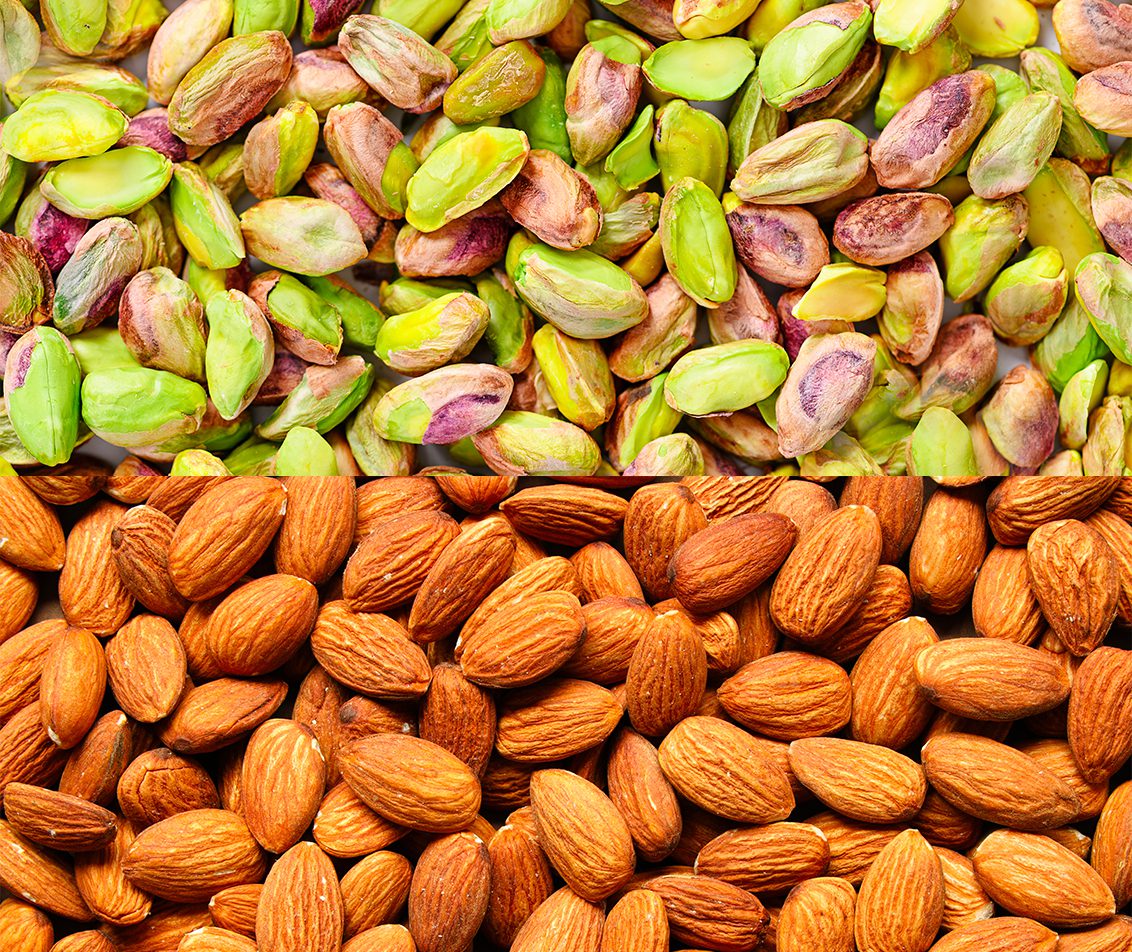
At Agrométodos, we are highlighting an issue that goes beyond a single season: climate change is forcing the industry to rethink how crops such as pistachios and almonds are managed.
This is not a new idea for the sector. Nobody is discovering today that climate influences agriculture. What is relevant in this case is the approach put forward by experts from the University of California, Davis during the International Meeting on Plant Health in Pistachio and Almond, held at the IRIAF in Castilla-La Mancha and organised by Phytoma.
The message is clear: in a more irregular scenario, making decisions based on fixed calendars or traditional management routines is no longer enough. The management of these crops will increasingly need to rely on data, constant monitoring, sensors, predictive models and more precise prevention strategies.
From fixed calendars to data-based management
One of the most interesting points in the debate is the shift from agriculture guided by familiar dates to management based on what is actually happening in the crop.
Experts point out that temperature variations, both in winter and spring, are altering key processes such as dormancy, flowering and yield. In crops such as pistachios and almonds, these changes can lead to more blank nuts, lower quality or more irregular production.
This is why models based on the accumulation of growing degree days are becoming increasingly important. These tools make it possible to adjust decisions such as irrigation, treatment applications or harvest forecasting with greater precision.
The difference matters. It is not just about looking at the calendar and repeating what was done the previous year, but about better interpreting the real behaviour of the plant in each season.
Why pistachio and almond crops need closer monitoring
Pistachio and almond crops have grown strongly in Spain in recent years, but that growth also calls for more refined management. They are crops with potential, yes, but they are also sensitive at specific points in their cycle.
In almond trees, changes in temperature can affect the end of dormancy, flowering and fruit set. In pistachios, climate stability is also key to maintaining regular production and avoiding quality issues.
The problem is not simply that temperatures are rising. It is that seasons are becoming increasingly unpredictable: milder winters, irregular springs, episodes of heavy rainfall, heatwaves or periods of water stress appearing at critical moments.
In this context, technical monitoring becomes more important. Observing the crop, measuring, comparing data and anticipating risks are becoming an essential part of management.
New diseases and greater pest pressure
Climate change is also having an impact on plant health. Extreme weather events, such as heavy rainfall or flooding, can favour the appearance and spread of diseases in nut crop plantations.
This is compounded by another factor that concerns the sector: increased pest pressure and the withdrawal of active substances available on the market. The combination is complex. On the one hand, more risks are appearing or certain problems are intensifying. On the other, farmers have fewer tools with which to respond.
This makes it necessary to strengthen prevention strategies. Plant health management cannot depend solely on acting once the problem is already present. It will be increasingly important to anticipate, monitor the crop more frequently and combine different management tools.
Sensors, predictive models and more precise decisions
Technology does not replace agronomic judgement, but it can help make better decisions. Temperature sensors, climate data, predictive models and digital tools make it possible to detect changes before the problem becomes visible to the naked eye.
In pistachio and almond crops, this information can help adjust irrigation, anticipate sensitive crop stages, assess plant health risks and adapt the strategy for each plot.
The key is to ensure that data does not simply remain on a screen. It has to become useful decisions: when to intervene, when to wait, what the crop really needs and how to reduce risks without overreacting.
This will be one of the major challenges in the coming years: moving from collecting information to using it well.
Prevention starts before the problem appears
In a context of greater climate uncertainty and fewer plant protection tools available, prevention takes on a much more important role.
Prevention does not mean carrying out more treatments. It means understanding the crop better, identifying its critical moments, keeping the plant balanced and adapting management to the reality of each farm.
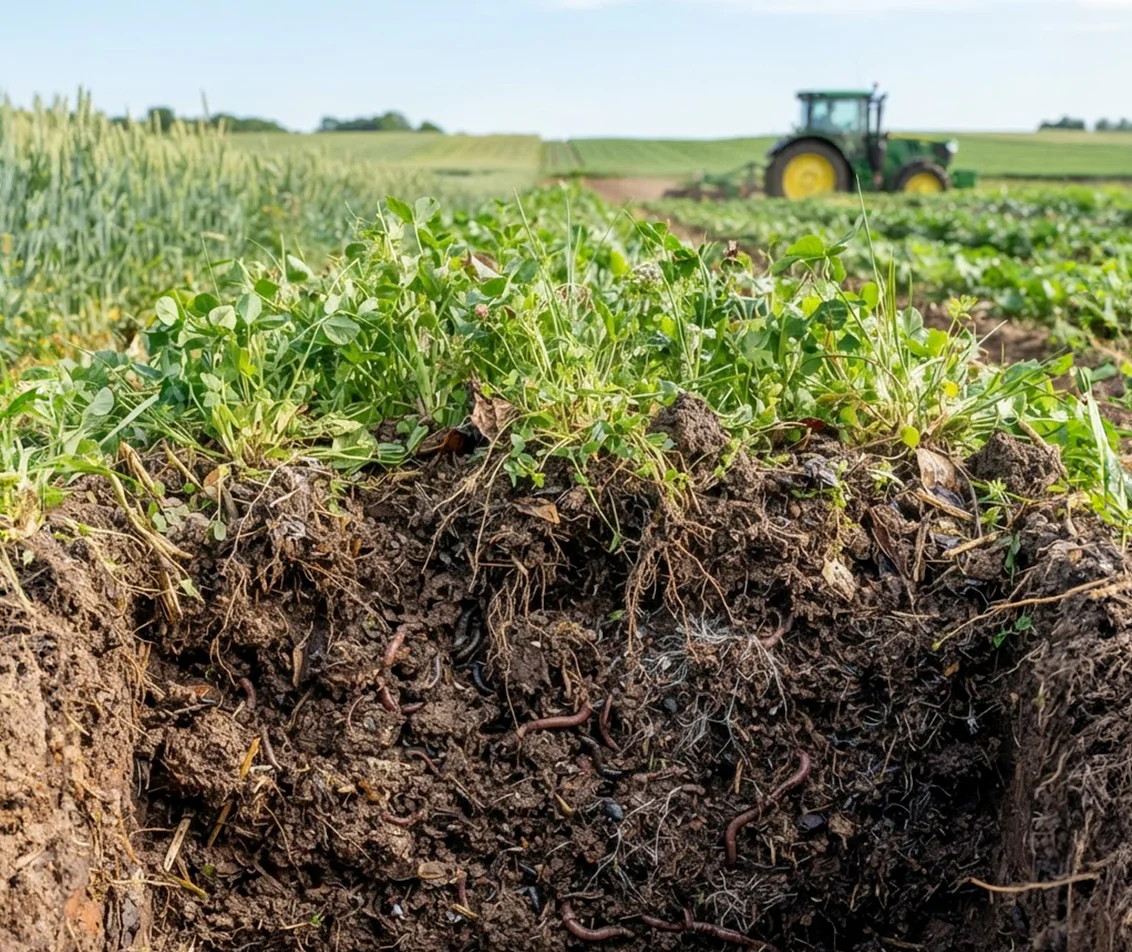
Plant nutrition, root development, soil structure and the physiological condition of the tree all influence the crop’s ability to cope with stress situations. They do not remove climate risks or replace plant protection tools when they are needed, but they are part of a more complete strategy.
In crops such as pistachios and almonds, where quality and regular production are essential, working from prevention can make an important difference.
More technical management for a less stable scenario
The experts’ message should not be interpreted as an alarm signal with no way out, but as a call to further professionalise the management of these crops.
Pistachios and almonds will continue to have a future in Spain, but their viability will increasingly depend on the ability to adapt decisions to each area, each plot and each season.
Variety selection, water management, plant health, nutrition, monitoring and the use of predictive models will need to work together. Not as isolated pieces, but as part of a single strategy.
At Agrométodos, we work with solutions for plant nutrition and protection, as well as crop support at key moments, always from a technical approach adapted to the real needs of each farm.
Anticipation will become increasingly important
The agriculture of the coming years will not be able to rely solely on accumulated experience, even though that experience will remain essential. Field knowledge will need to be combined with data, technology and more flexible management strategies.
Climate change is not only modifying growing conditions. It is also changing the way farmers and technical advisors need to make decisions.
For pistachios and almonds, the challenge is no longer just to produce in a more demanding climate. The challenge is to anticipate better, interpret the crop’s signals earlier and adjust each intervention with greater precision.
On the Agrometodos website, you will find more information about the solutions that can be applied to these crops, and we will continue to share analysis on crops, agronomic innovation, plant health and agricultural news to better understand the challenges affecting the field.