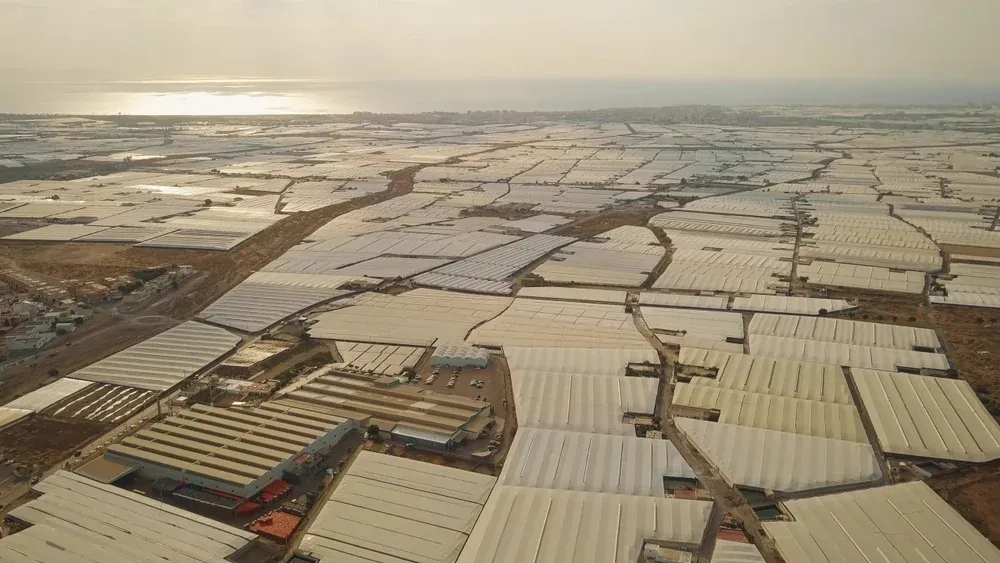
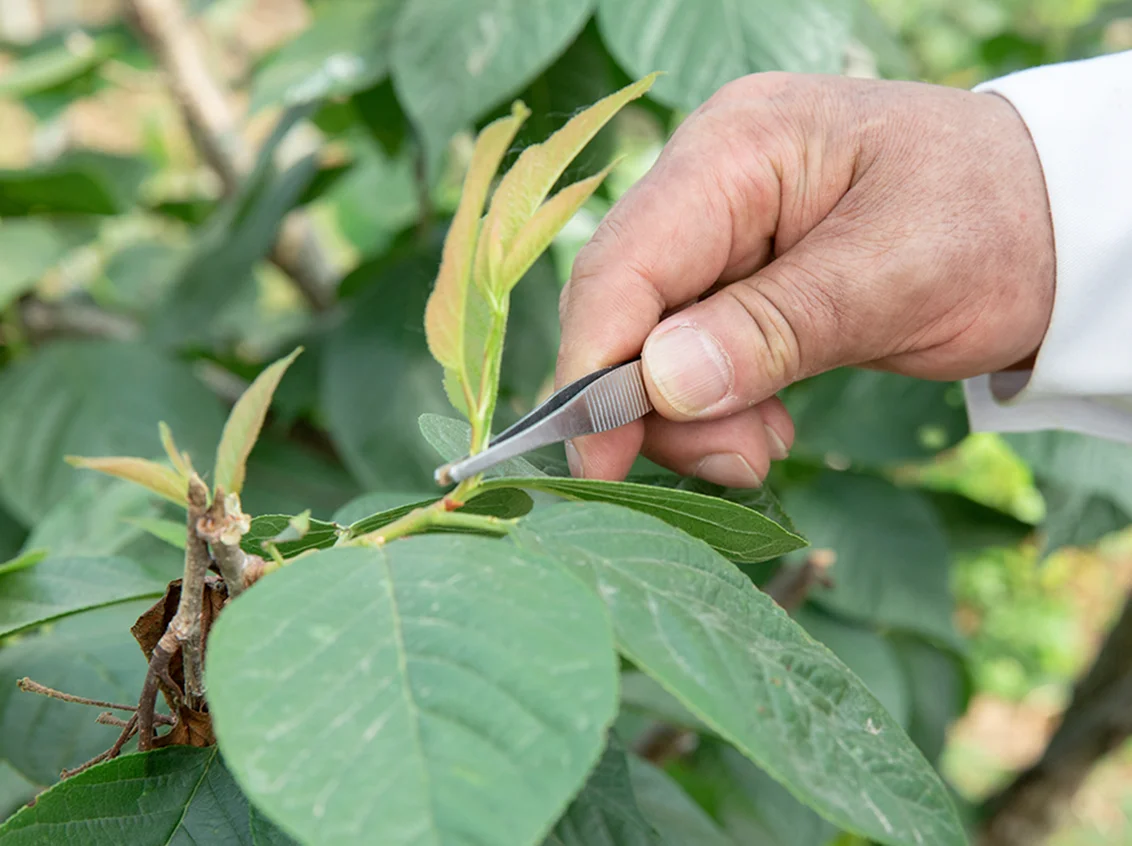
Spanish agriculture is undergoing changes both in the distribution of its crops and in its economic performance. Whilst data from the last decade show a reduction in cultivated area and a greater proportion of woody crops, the most recent indicators point to a recovery in agricultural activity, albeit with significant differences between different types of production.
The results of the Survey on Crop Areas and Yields (ESYRCE), compiled by the Ministry of Agriculture, Fisheries and Food (MAPA), and the latest sectoral analysis by CaixaBank Research provide an insight into how the Spanish countryside is evolving and what some of its main challenges are.
How has agricultural land area changed in Spain?
The distribution of cultivated land has undergone changes over the last decade.
According to data from the MAPA’s 2025 Statistical Yearbook, compiled by Agroinformación, Spain lost approximately 527,600 hectares of cultivated land between 2015 and 2024, representing a reduction of around 3 per cent.
The area fell from 17.03 million hectares in 2015 to around 16.50 million in 2024.
However, this reduction has not been uniform across the different types of crops.
Arable crops see a reduction in area
Arable crops, which include cereals, pulses and numerous industrial and fodder crops, have seen a slight decline over the period analysed.
The area under arable crops fell from approximately 9.04 million hectares in 2015 to 8.97 million in 2024.
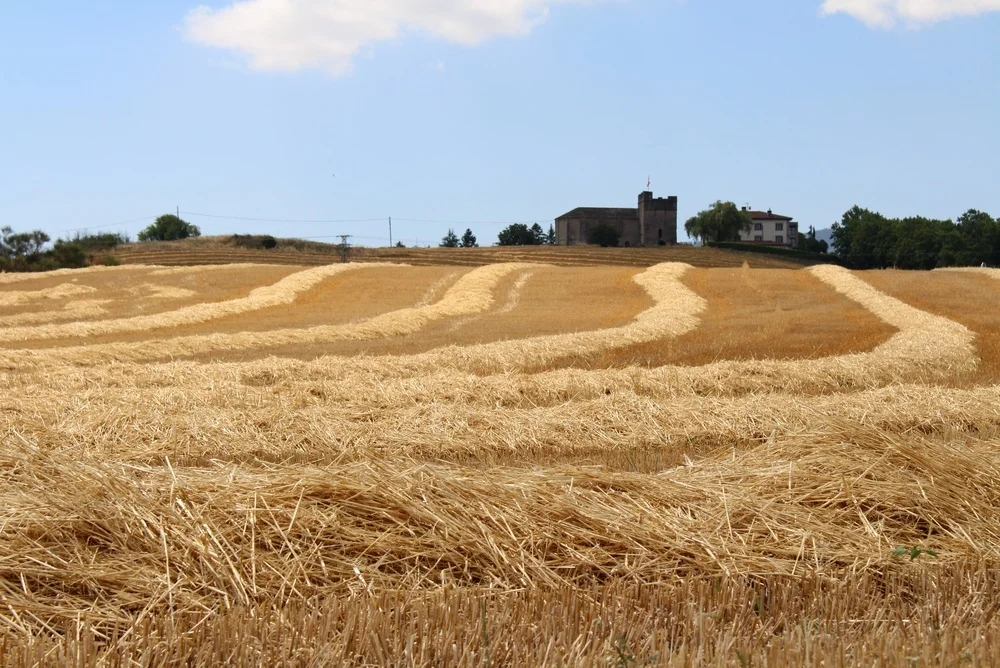
También destaca la reducción de las tierras en barbecho, que pasaron de 3,28 a 2,41 millones de hectáreas.
Estos cambios reflejan una evolución de los usos agrícolas del territorio, aunque no permiten atribuir las variaciones a una única causa.
Woody crops are gaining ground
In contrast, the area under woody crops has increased by some 425,400 hectares over the same period.
The total area under woody crops rose from approximately 4.69 million hectares in 2015 to 5.12 million in 2024.
This group includes crops such as olive groves, vineyards and fruit orchards, which play a significant role in many Spanish agricultural regions.
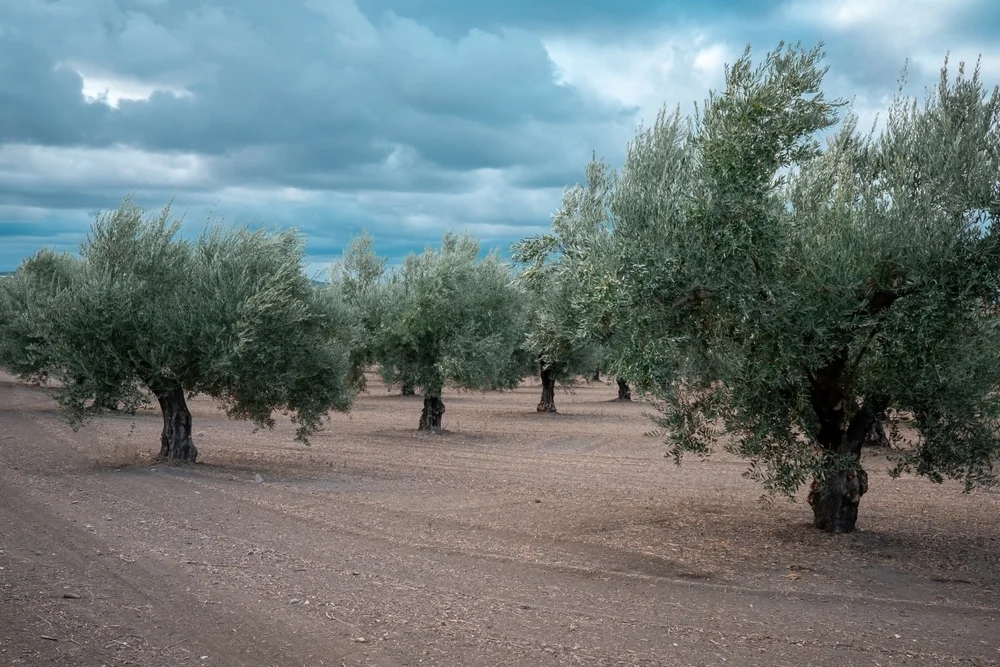
The increase in the area under cultivation indicates a shift in the distribution of crops, although this does not necessarily imply an improvement in the profitability of all these crops.
Spanish agriculture continues its economic recovery
Changes in agricultural land area coincide with a recovery in agricultural activity following several particularly difficult years.
According to an analysis published by CaixaBank Research in October 2026, the agricultural sector recorded growth in gross value added of 15 per cent in 2024 and 11.9 per cent in 2025, following the difficulties caused by drought and rising production costs.
During the first half of 2026, agricultural activity continued to perform well, with year-on-year growth of 5.6 per cent.
Meanwhile, agricultural income rose by 8.9 per cent in nominal terms in 2025, driven by production growth outpacing that of costs.
These figures indicate a recovery across the sector as a whole, but it is important to distinguish between aggregate economic growth and the specific situation of each individual farm.
Uneven trends across crops
One of the most significant aspects of the latest data is that the recovery is not being felt equally across all sectors of production.
ESYRCE’s yield estimates for the first half of 2026, analysed by CaixaBank Research, point to a favourable performance for some Mediterranean woody crops.
In rain-fed farming, olive groves are projected to yield around 40 per cent more than in 2025, whilst vineyards are expected to see increases of around 20 per cent.
By contrast, winter cereals, pulses and almond trees are showing a decline in yield compared with the previous year.
However, a year-on-year decline does not necessarily mean a harvest below usual levels. In the case of cereals and pulses, yields remain close to the average for the last five years.
These contrasts highlight the importance of analysing each crop and harvest separately, taking into account production conditions and historical data.
The main economic and production challenges facing the Spanish countryside
Although the overall indicators show a more favourable trend, the agricultural sector continues to face significant challenges.
Production costs and profitability
Cost trends remain a key factor in farm profitability.
The price of energy, fertilisers and other inputs can affect production margins, even during seasons with good yields.
Consequently, an improvement in agricultural activity at national level does not always translate into a corresponding recovery in income for all farmers.
Water availability and weather conditions
Weather conditions remain another decisive factor.
Although the water situation has improved compared with the years of most severe drought, episodes of extreme temperatures, heavy rainfall and hail continue to create uncertainty regarding harvests.
Water availability and the adaptability of crops are particularly important for maintaining production stability.
Farm adaptation
Changes in crops and economic conditions also highlight the need to adjust agricultural management strategies.
Planning for plant nutrition, monitoring crop health and the efficient use of resources are key aspects in meeting the needs of each farm.
There is no one-size-fits-all solution for all crops, so decisions must be based on agronomic criteria and the specific conditions of each crop.
In what direction is the Spanish agricultural sector evolving?
The data show that Spanish agriculture is undergoing a transformation, with changes in the distribution of cultivated land and an economic recovery that still shows disparities across different sectors of production.
The increase in woody crops over the last decade, trends in yields and cost pressures paint a picture in which it will be necessary to continue focusing on both the productivity and profitability of farms.
In this context, agronomic knowledge, research and adaptation to the conditions of each region will remain fundamental.
At Agrométodos, we will continue to share information and analysis on the evolution of the agricultural sector, its main challenges and the trends that are shaping the future of the Spanish countryside.
Frequently asked questions about the development of Spanish agriculture
What is the ESYRCE survey and what information does it provide?
The Survey on Crop Areas and Yields (ESYRCE), compiled by the Ministry of Agriculture, Fisheries and Food, provides an overview of the distribution of crops in Spain and estimates their yields. Its results help to analyse trends in agricultural land area and identify changes in the main agricultural productions.
What is the difference between arable and woody crops?
Arable crops include cereals, pulses and certain industrial or fodder crops. Woody crops, on the other hand, comprise permanent crops such as olive groves, vineyards and fruit orchards. Both groups have different management requirements and production cycles.
Why can agricultural activity grow without improving profitability for all farmers?
Because the sector’s economic performance does not evolve uniformly. Differences in yield, selling prices, production costs and climatic conditions can mean that some farms improve their results whilst others