The availability and cost of fertilisers have become a strategic issue for European agriculture. Dependence on certain raw materials and external suppliers means that any disruption to international trade can have a direct impact on production costs and farm planning.
Here at Agrométodos, we are highlighting the latest initiatives launched by the European Union to strengthen the fertiliser supply chain and drive forward the development of alternatives produced within Europe itself.
Among these, particular attention is being paid to bio-based fertilisers, alongside new measures aimed at improving availability, market stability and the efficient use of nutrients.
The supply of fertilisers: a strategic challenge for Europe
Fertilisers are an essential input for sustaining agricultural production, but Europe continues to rely on international markets for access to certain raw materials.
Geopolitical tensions and disruptions to supply chains have highlighted this vulnerability and contributed to rising fertiliser and energy prices.
In light of this situation, the European Commission adopted its Fertiliser Action Plan in May 2026, which includes a range of measures aimed at improving the availability and affordability of these products for farmers and strengthening the European industry.
In November, it took a further step forward with the creation of the EU Fertilisers Value Chain Partnership, a forum for collaboration between farmers, fertiliser manufacturers, Member States and other stakeholders in the value chain.
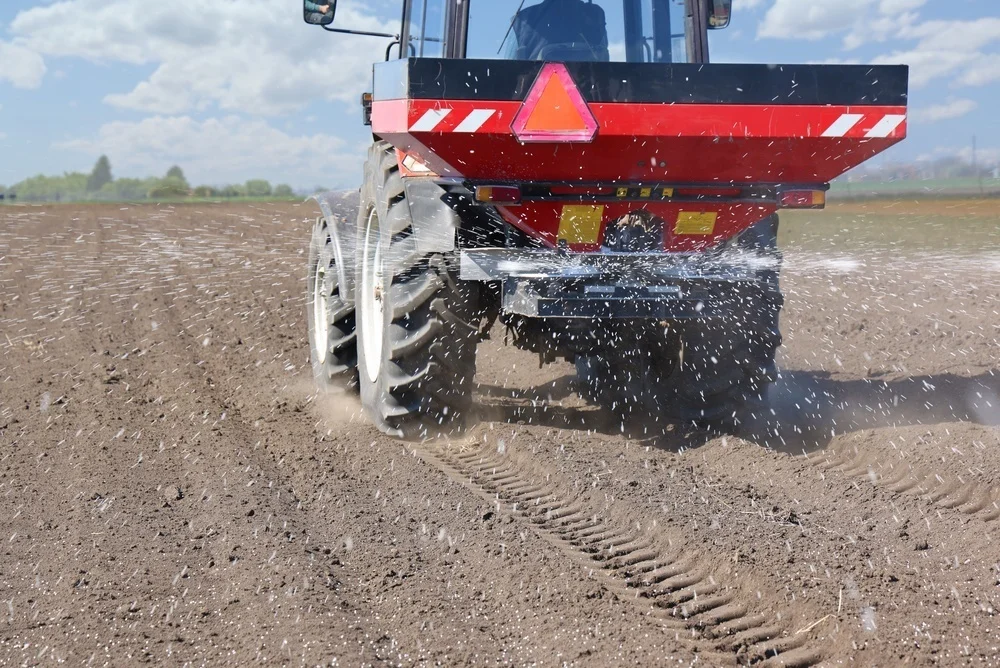
This initiative has three main objectives: to promote the availability of fertilisers produced in Europe at affordable prices, to improve predictability for producers and users, and to support the decarbonisation of the industry and the sustainable management of nutrients.
Organic fertilisers: an alternative with potential
Alongside these measures, European research is investigating new sources of nutrients that will make it possible to partially reduce dependence on imported mineral fertilisers.
One of the alternatives under consideration is agricultural digestate, a material produced by the anaerobic digestion of organic matter such as manure, crops or food waste during biogas production.
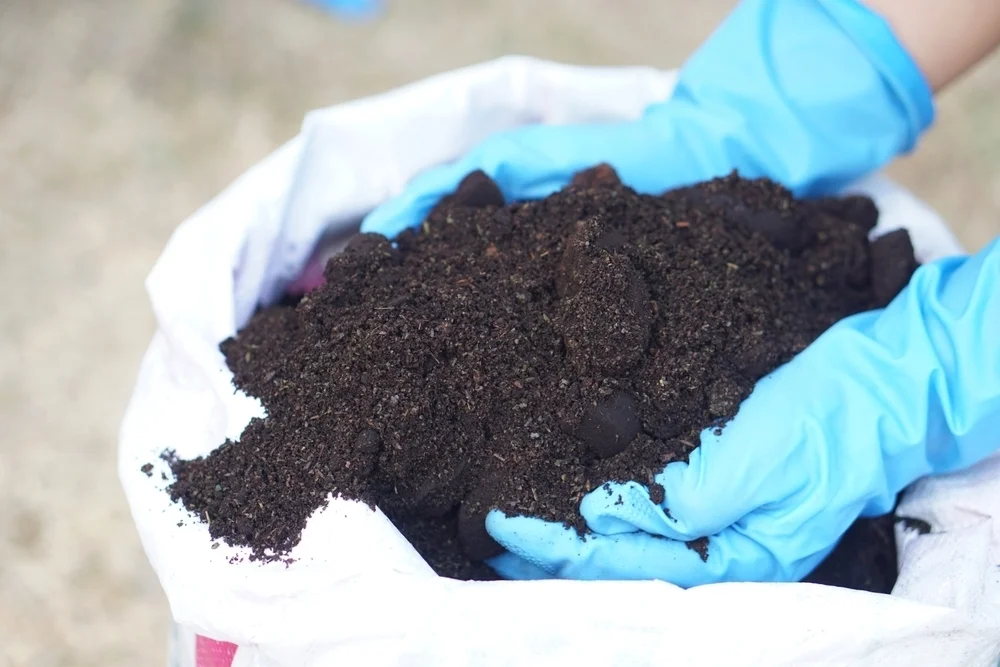
These materials contain nutrients that can be utilised by plants and, under certain conditions, some of their components could be used as organic fertilisers.
Research carried out by the European Commission’s Joint Research Centre suggests that certain digestates, particularly some liquid fractions with a low carbon-to-nitrogen ratio and a high mineral nitrogen content, may exhibit agronomic behaviour similar to that of mineral fertilisers.
This would enable the recovery of nutrients that are already within the production system and help us move towards a more circular model.
Partially replace, rather than eliminate, mineral fertilisers
The development of organic alternatives does not mean that mineral fertilisers will disappear.
The aim is to expand the available sources of nutrients and to analyse in which situations recovered materials can partially replace conventional products.
Its use should be assessed taking into account the composition of the material, the crop’s requirements, soil characteristics and application conditions.
It is also necessary to monitor potential environmental risks, such as nitrogen losses due to ammonia volatilisation or nitrate leaching.
For this reason, factors such as the origin of the raw materials, the processing methods, storage and application techniques are essential to ensure proper use.
Circular economy and nutrient recovery
Interest in bio-based fertilisers is also linked to the growth of the circular economy in agriculture.
The recovery of nutrients from manure, organic waste or by-products makes it possible to explore new ways of utilising materials that already exist within the agricultural system.
In areas with a high concentration of livestock farming or biogas production, this approach could help to generate local sources of nutrients and reduce some of the exposure to fluctuations in international markets.
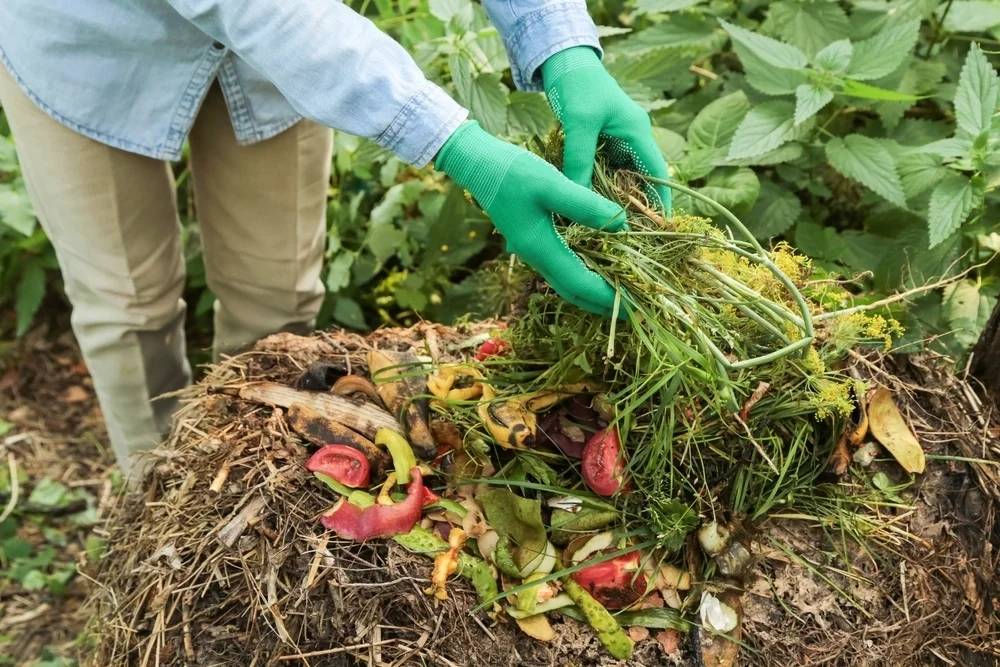
However, not all organic materials have the same characteristics, nor can they all be used in the same way. Each option requires monitoring, treatment and a prior technical assessment.
A more stable and predictable fertiliser supply chain
The European strategy is not limited to the development of new products.
The new fertiliser supply chain partnership aims to establish an ongoing dialogue between farmers, manufacturers, public authorities and other stakeholders in order to identify obstacles and seek joint solutions.
The aim is to move towards a market that is better equipped to anticipate potential supply crises and, at the same time, to improve the sustainability of nutrient production and use.
For farmers, this development may mean a wider range of solutions are available, although the choice will still depend on the specific needs of each crop and farm.
Nutritional efficiency will remain crucial
Having access to new sources of nutrients does not eliminate the need for proper fertilisation planning.
Understanding soil conditions, the crop’s nutritional requirements, the timing of application and the actual availability of nutrients will continue to be essential for making the most of any fertiliser, regardless of its origin.
The transition towards reduced reliance on external sources therefore involves both developing new alternatives and improving the efficiency with which available resources are utilised.
Europe is moving towards a more diversified fertilisation strategy
The development of bio-based fertilisers may form part of this evolution, but their use must be based on technical criteria, appropriate controls and proper adaptation to the needs of each crop and farm.
The development of bio-based fertilisers can form part of this. At Agrométodos, we work in the field of plant nutrition and crop protection, and we will continue to share information on innovation, new sources of nutrients and strategies that will enable us to move towards a more efficient and sustainable form of agriculture, one that is equipped to meet the challenges facing the European sector.
Frequently asked questions about organic fertilisers
What are organic fertilisers?
These are products or materials derived from organic or biological resources that can provide nutrients to crops. Among the alternatives currently being studied in Europe are certain agricultural digestates produced through anaerobic digestion processes.
Can they replace mineral fertilisers?
In some cases, they may help to partially replace certain mineral fertilisers, but their use depends on the composition of the material, the crop’s requirements, soil characteristics and application conditions.
Why does Europe want to promote these alternatives?
One of the objectives is to reduce dependence on imported fertilisers and raw materials, improve the stability of supply and make better use of the nutrients available within Europe itself.
What benefits can they bring to agriculture?
They can help to recover nutrients, make use of by-products and move towards a more circular approach to resource management. Their use should always be assessed from both an agronomic and an environmental perspective.