
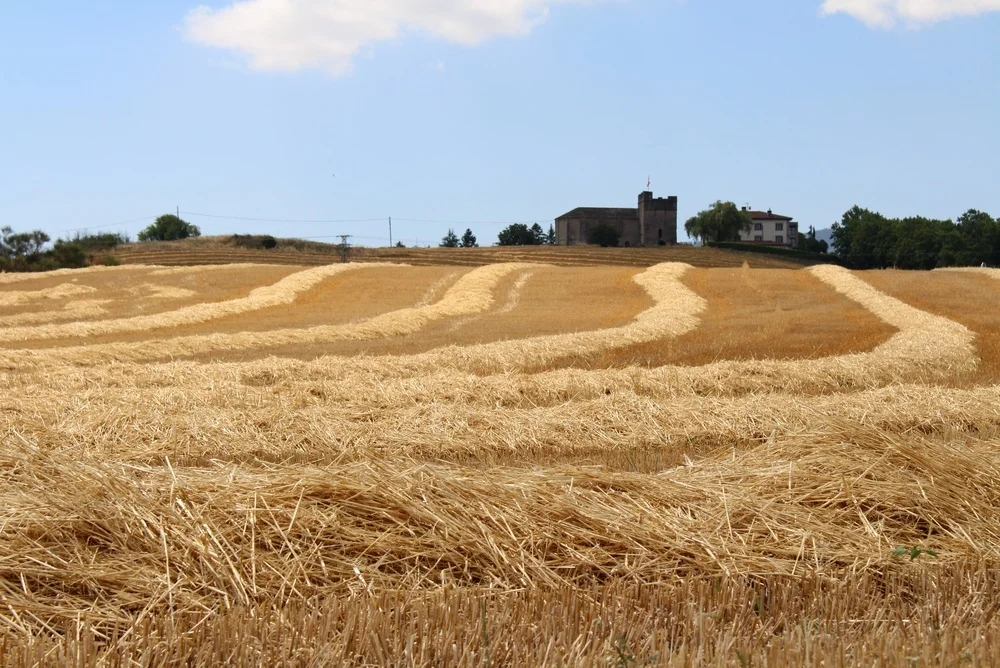
Agricultural land in Spain is changing: arable crops are declining, whilst woody crops are on the rise, and the sector is showing an uneven economic recovery. We analyse the latest data and the main challenges facing the Spanish agricultural sector.
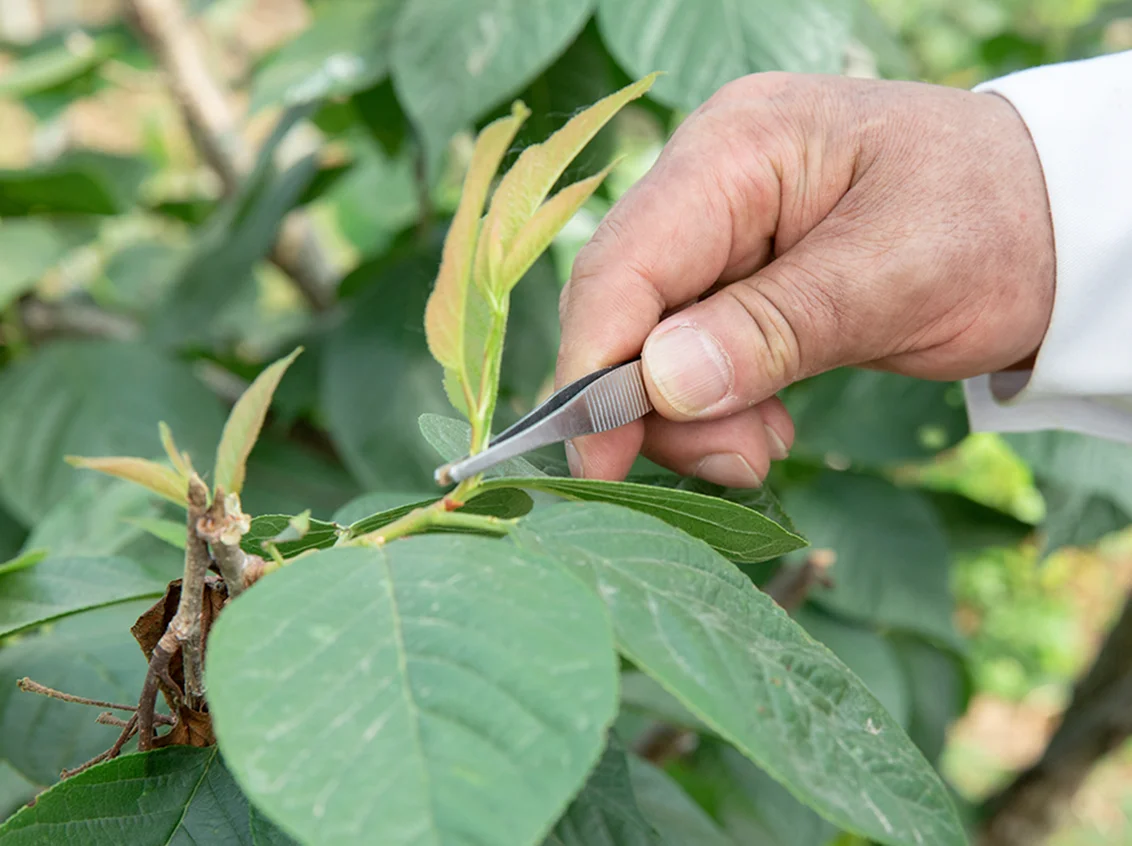
The new European regulation on genomic techniques establishes two categories of plants and new conditions for their regulation. We analyse what is changing, when it will come into force and what implications it could have for plant breeding and agriculture.

Agrométodos has renewed its ISO 9001 and ISO 14001 certifications for a further three-year period, reaffirming its commitment to rigorous, responsible management focused on continuous improvement.
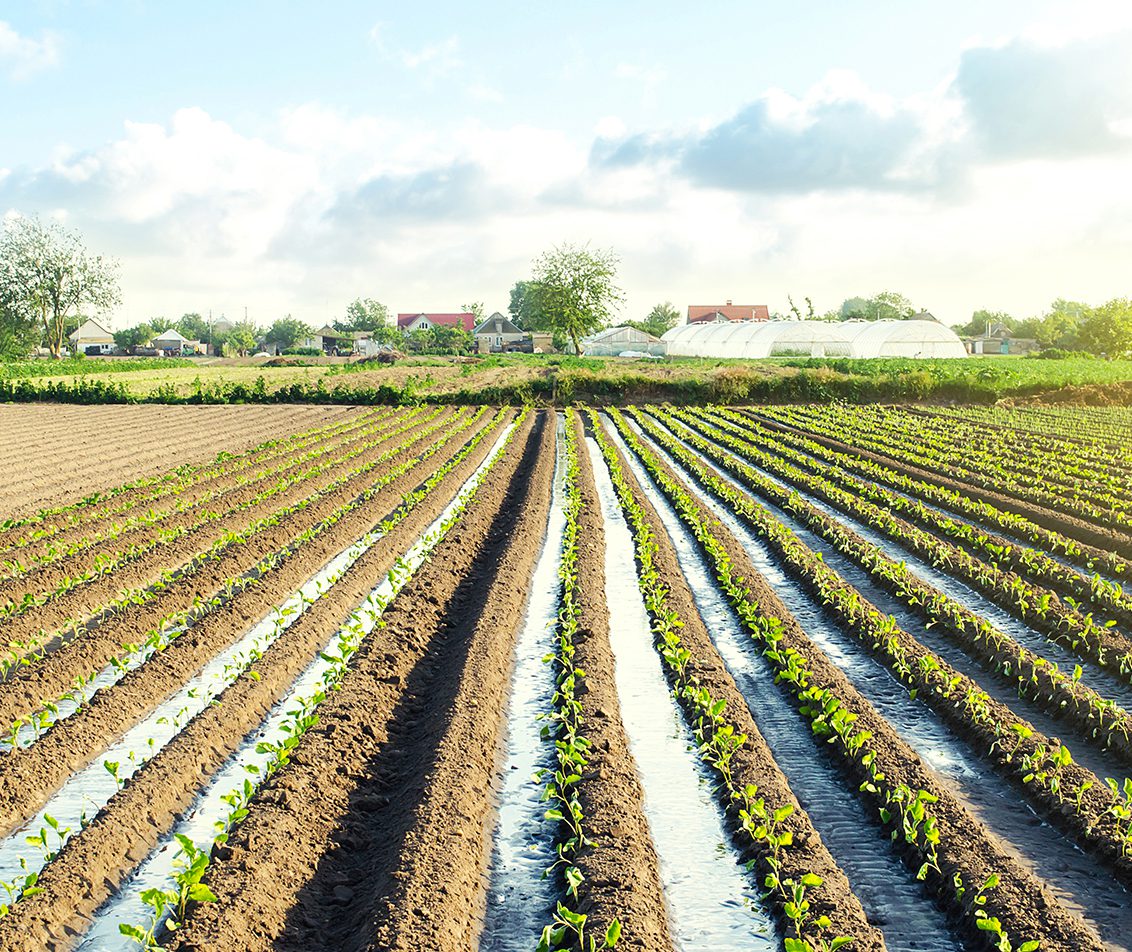
The fertilisation plan reinforces a fundamental idea: fertilisation must be planned according to soil characteristics, crop needs and available resources.

Agrométodos will be exhibiting at Fruit Attraction 2026 from 6 to 8 October at IFEMA Madrid, which will also coincide with the celebration of its 40th anniversary.
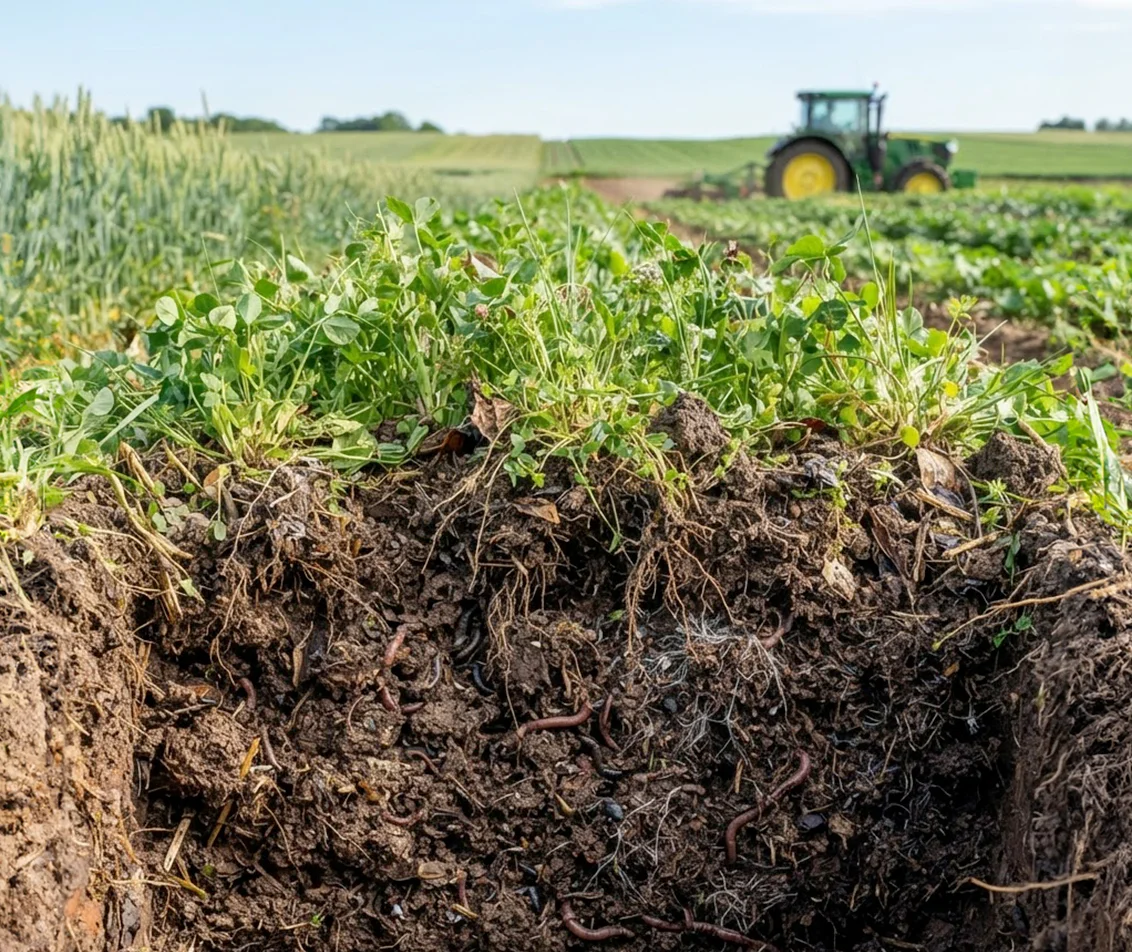
Regenerative agriculture and biodiversity provide new tools to improve soil health, strengthen crop resilience and manage farms using technical criteria and data.
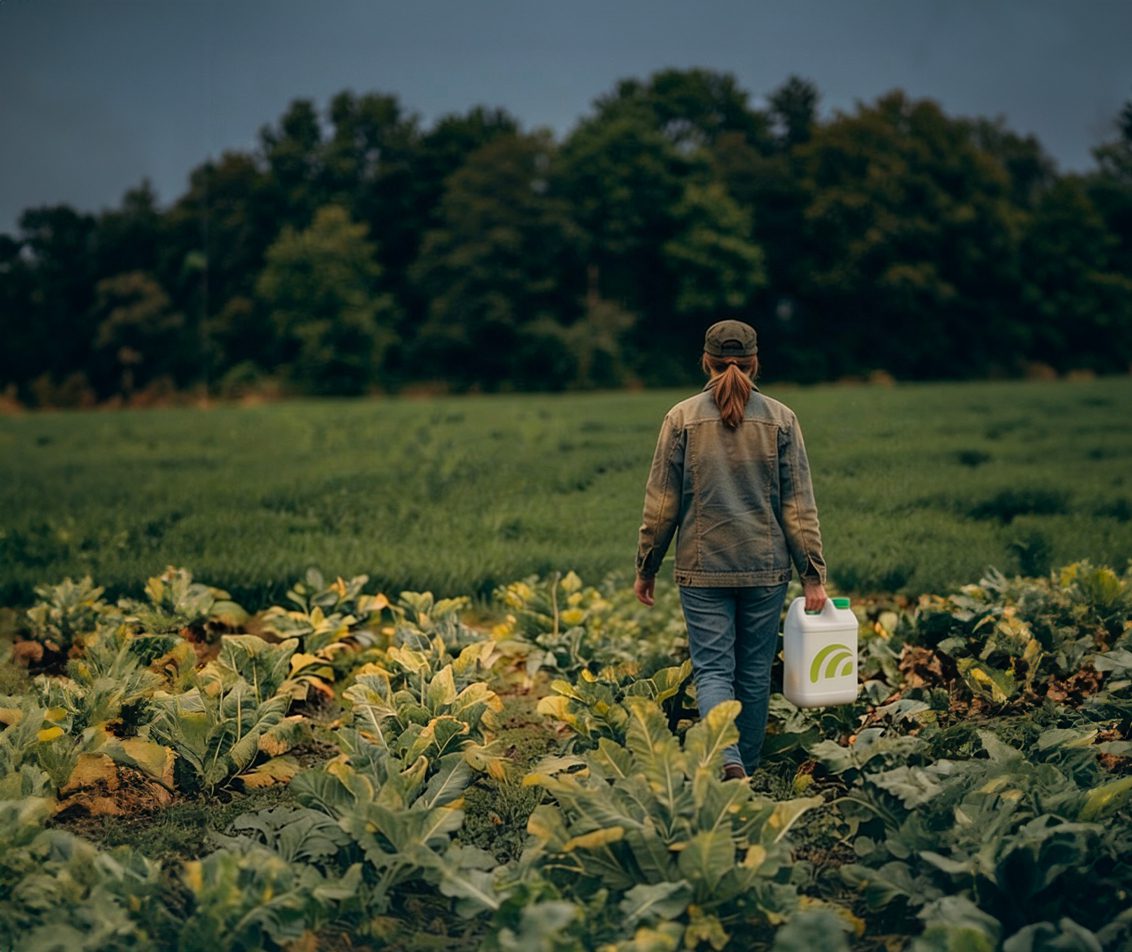
The new European Packaging and Packaging Waste Regulation establishes a common framework across the European Union. We explain how it may affect the agricultural sector and what companies should begin reviewing.

FEGA has published a first partial list of beneficiaries of the extraordinary aid for the increase in fertiliser costs. We review who can access it, what amounts are provided for and what the agricultural sector should take into account.

Fruit Attraction 2026 is progressing with over 90% occupancy, confirming the strategic importance of the fruit and vegetable sector, innovation, and sustainable production.